
When a car can't be driven, the towing method used to move it matters more than most people realise. Flatbed towing, where all four wheels are lifted completely clear of the road, is widely regarded as the safest and most commonly used towing method for transporting a disabled vehicle, and for good reason: no wheels touching the ground means no drivetrain wear, no steering strain, and far less risk of damage along the way. Which towing method actually suits your situation depends on the context, whether you're calling in a professional tow car truck in Brisbane for a breakdown, or towing a second vehicle yourself behind an RV or another car on a road trip. This guide compares the main towing methods so you know what's actually happening under your vehicle before it moves.
What Are the Ways of Towing a Car
There are three main towing methods used across Australia and most other countries: flatbed towing, dolly towing, and slide-under skates (sometimes called wheel-lift towing). Each towing method suits different vehicles, different distances, and different levels of risk to the car being moved, so understanding the difference helps you know what to expect and what to ask for when you book a tow.
Flatbed Towing: The Full-Lift Towing Method
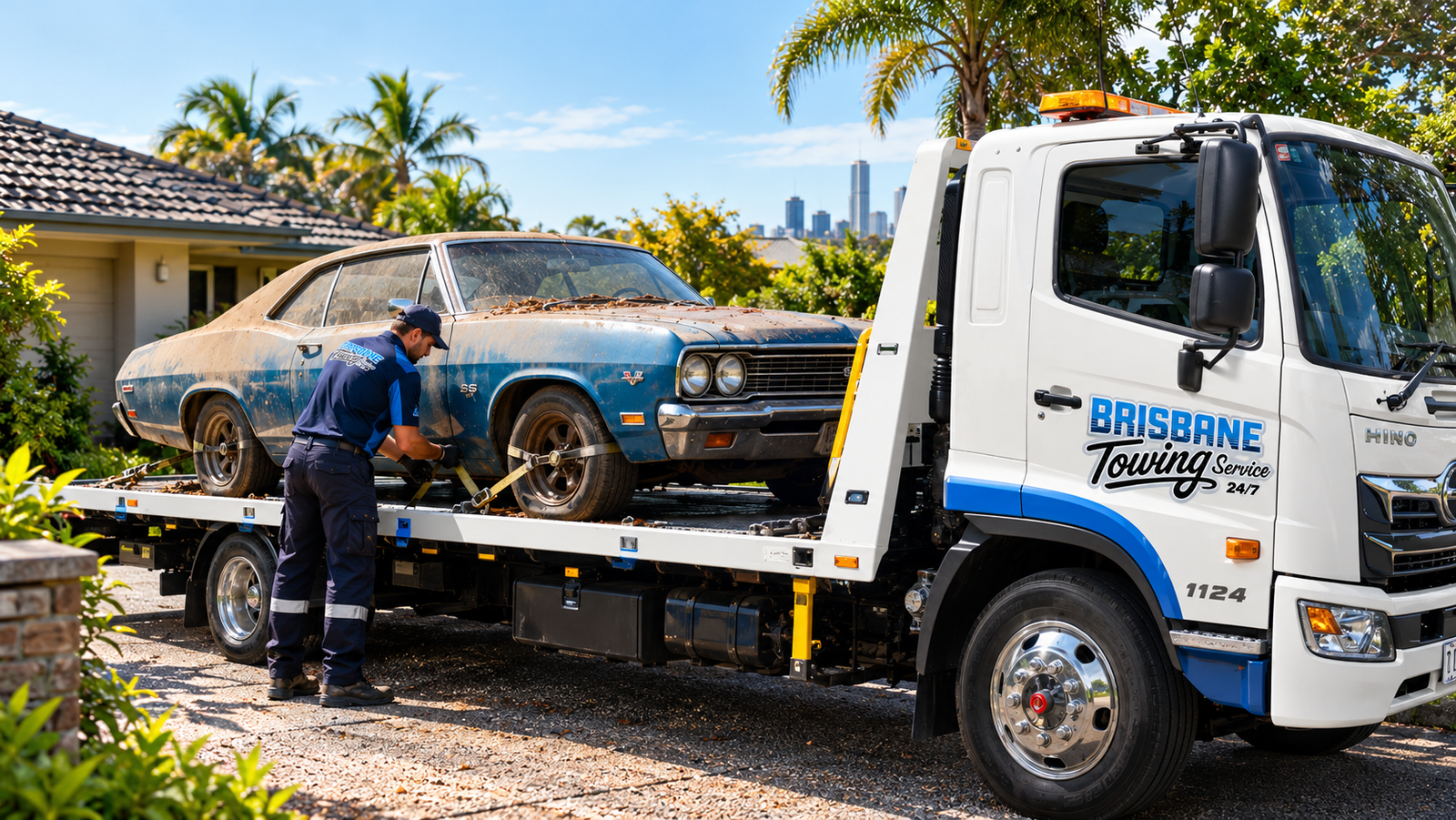
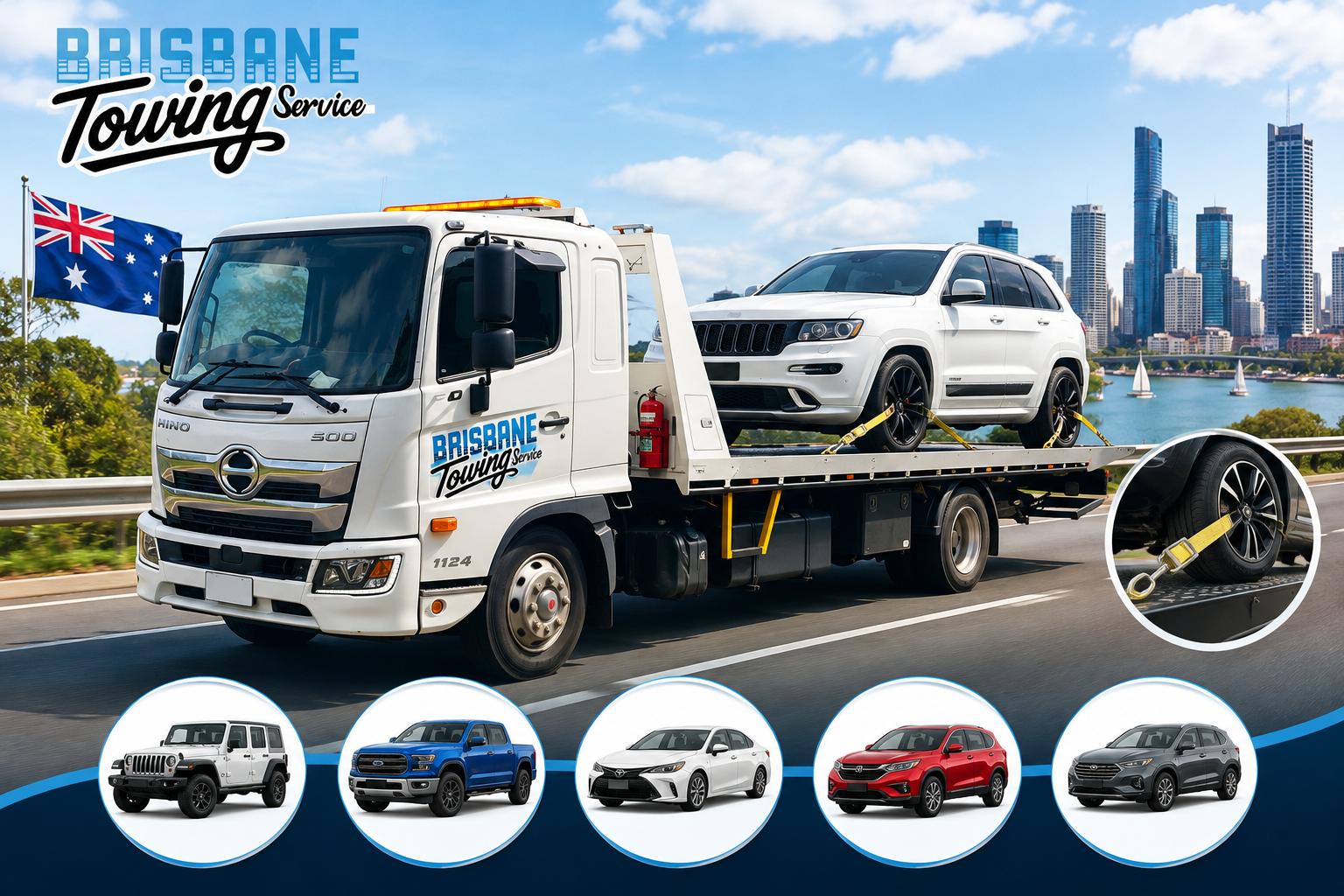
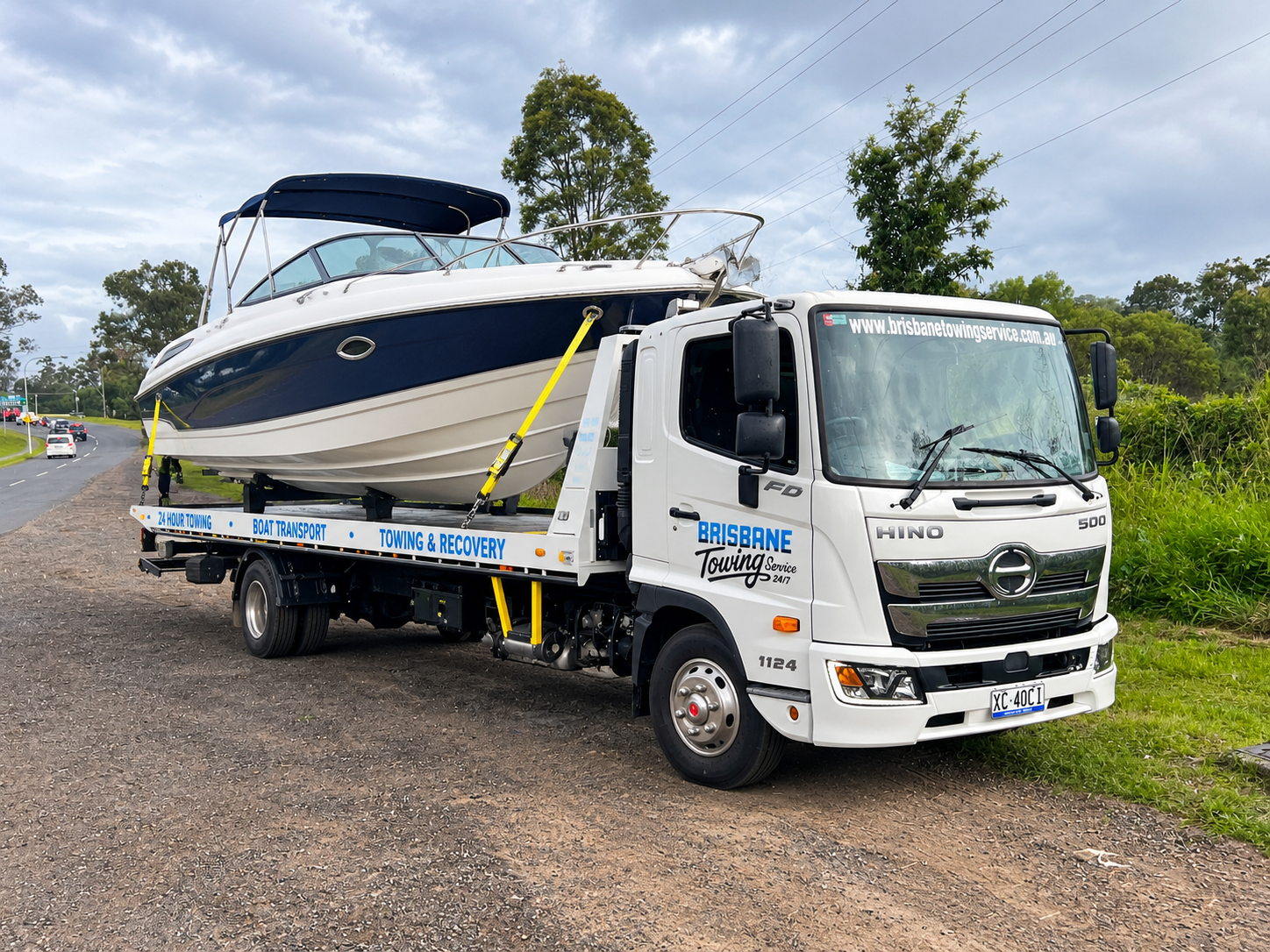
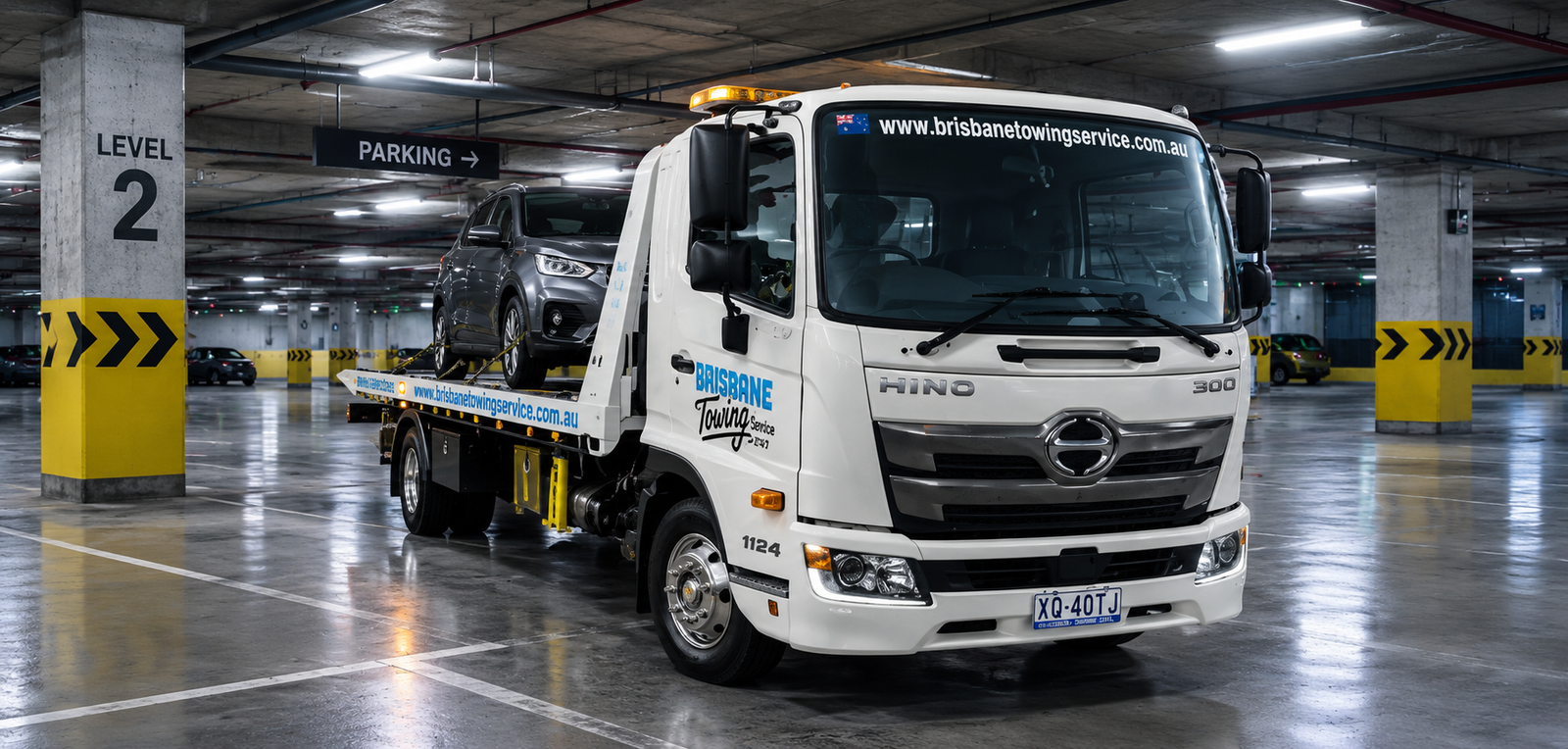
Flatbed towing uses a trailer or truck bed that tilts down to ground level, allowing the vehicle to be either driven or winched fully onto the flat surface. Once loaded, all four wheels sit above the deck, meaning nothing about the vehicle is in contact with the road at all during transport.
This towing method is the standard choice for long distances, all-wheel-drive and four-wheel-drive vehicles, luxury or lowered cars, and any vehicle that isn't safe to move under its own power, such as one with transmission damage or a seized wheel. Because there's zero wear on tyres, brakes, or drivetrain components during the move, it's also the preferred towing method for insurance and warranty-sensitive situations.
Dolly Towing: A Two-Wheel Towing Method
Dolly towing involves a small two-wheeled trailer that lifts only the front (or occasionally rear) wheels of the towed vehicle off the ground, while the other set of wheels continues to roll along the road. This towing method is common for front-wheel-drive cars being towed behind an RV or motorhome, since it's generally lighter and cheaper than a full flatbed trailer.
The trade-off is that the rear wheels are still rolling and accumulating mileage and wear throughout the trip, which matters for cars with all-wheel-drive systems that aren't designed to have only some wheels turning. Dolly towing also requires the towed vehicle's steering to be locked straight, since there's no driver correcting direction on the towed end.
Slide-Under Skates and Wheel-Lift Towing
Slide-under skates, more commonly known as wheel-lift towing, use a hydraulic metal yoke that lifts a vehicle's wheels a short distance off the ground using cradles fitted under the tyres, rather than a trailer bed. This towing method is what most people picture when they think of a standard tow truck responding to a roadside breakdown or an illegally parked car.
Wheel-lift towing is fast to set up, works well in tight spaces like car parks and narrow streets, and suits standard passenger vehicles over short distances. It's less suited to luxury, lowered, or all-wheel-drive vehicles, since two wheels remain on the ground throughout the tow, similar to the dolly method.
Which Towing Method Is Right for You?
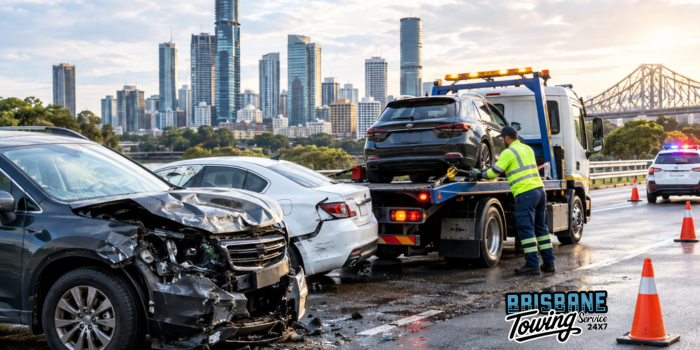
Choosing the right towing method comes down to a few key questions: how far is the vehicle travelling, what type of drivetrain does it have, and is the car being moved because of a professional breakdown callout or a personal road trip setup? For most breakdown, accident, or long-distance situations, flatbed towing is the safer default. For short local moves of a standard vehicle, wheel-lift towing is usually sufficient and more cost-effective. Dolly towing tends to suit RV owners specifically, rather than general roadside towing needs.
Explore our more services also:
Tow Truck Service In North Brisbane
A reliable tow car truck in Brisbane will generally assess the vehicle and the job on the phone before dispatch, matching the towing method to the actual situation rather than sending the same equipment to every call.
Brisbane Towing Service: Matching the Right Method to Your Vehicle
Brisbane Towing Service runs a range of trucks suited to different towing methods, from flatbed trucks for long-distance and sensitive vehicle transport to wheel-lift equipment for quick, local jobs. You can find our base of operations here: Brisbane Towing Service on Google Maps.
Frequently Asked Questions
What is the safest towing method for a disabled car?
Flatbed towing is generally considered the safest towing method, since all four wheels are lifted completely off the road, eliminating wear on the drivetrain, tyres, and brakes during transport.
Can I tow a car with an automatic transmission using a dolly?
It depends on the vehicle. Front-wheel-drive automatics are generally fine to tow on a dolly with the front wheels lifted, but many manufacturers recommend against dolly towing certain all-wheel-drive or rear-wheel-drive automatics, since the transmission may not receive lubrication while stationary. Always check the owner's manual first.
What does "toad" mean in towing?
A "toad" is a common term among RV and motorhome owners for a secondary vehicle being flat-towed behind the main vehicle, allowing the driver to have a car available once they reach their destination without needing to detach a trailer.
What is the 2-2-2 rule for RV road trips?
The 2-2-2 rule is a general road trip guideline suggesting no more than 200 miles of driving per day, a stop every 2 hours to rest, and arriving at the day's destination by 2pm, giving enough daylight to set up camp or accommodation safely.
Is wheel-lift towing safe for all vehicles?
Wheel-lift towing works well for most standard passenger vehicles over short distances, but it isn't ideal for lowered, luxury, or all-wheel-drive vehicles, since two wheels remain in contact with the road throughout the tow.
Flatbed vs Dolly vs Slide-Under Skates: Final Words
Each towing method has its place, and none of them is universally "better" without context. Flatbed towing remains the safest, most versatile option, particularly for long distances, sensitive vehicles, and anything that can't be driven at all. Dolly towing is a practical, lighter-weight solution for RV owners bringing a second vehicle along for the trip, provided the towed car's drivetrain allows for it. Slide-under skates, or wheel-lift towing, remain the fastest and most cost-effective choice for short, local jobs and standard passenger vehicles.
The right call ultimately comes down to the vehicle, the distance, and what's actually wrong with it, which is exactly why a proper assessment before dispatch matters more than defaulting to whichever truck happens to be closest. Brisbane Towing Service matches the right towing method to your specific situation every time. Call 0466 890 373 for upfront pricing and fast dispatch, available 24/7 across Brisbane and surrounding suburbs.